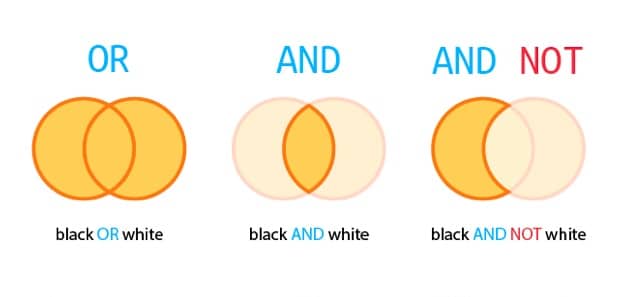

We lose a lot when we use Boolean logic to understand Big T Truths.
Question Metrics
Technology has evolved from practical magic to mind-blowing magic during my lifetime. While I am deeply grateful that my brain developed without the influence of personal computers, my entire working life progressed through the stages of rapid technological advancement in real time. In the early 1980s, I combed through five- inch thick stacks of printouts with tables that cross-referenced metrics from primitive databases we called “mailing lists” that we rented to test selling strategies and assumptions. We tested the responsiveness of certain clustered demographics (personas) with a/b testing limited to mailed offers using deeply flawed tracking tools. If anyone can appreciate how machines learn by analyzing unstructured data, I can.
However, improvements in tracking and measurement improve accuracy that may not qualify as wisdom. Intelligence is a resource for being right. Wisdom is a resource for doing right. Systems designed to be right respond with kindness only if the expense of providing a kindness can be justified with measurable returns. Kindness, wisdom, and ethical decisions cost time and money that yield impossible to measure long-term collective returns. That means moral actions will never be fully justified with corporate metrics. Instead these metrics disrupt and re-categorize the expense of moral decisions – and morals can be very expensive—as unjustifiable expenses rather than worthy investments. The bottom line is that the high cost of protecting humanity from adverse events like pandemics and climate change will never “add up” as profitable on any single spreadsheet. Our survival depends on re-integrating moral reasoning into economic decisions.
I recommend storytellers keep two sets of books, one for easy-to-measure criteria and one to represent meaningful goals that cannot be measured. That way, we can pursue short-term metrics without forgetting that stories also produce long-range outcomes that are impossible to measure in meaningful terms. When we subject ourselves to systems that only fund measurable goals, transcendent moral goals like justice, equality, and human rights are left unfunded and people begin to feel isolated and unengaged.
Excerpt from Chapter 11, 3rd ed. of The Story Factor (2019) AUDIBLE VERSION HERE